tfmindustrial.com
  • Home
  • Industry
  • about
  • Contact
Home - industry - Page 5
Category:

industry

industry

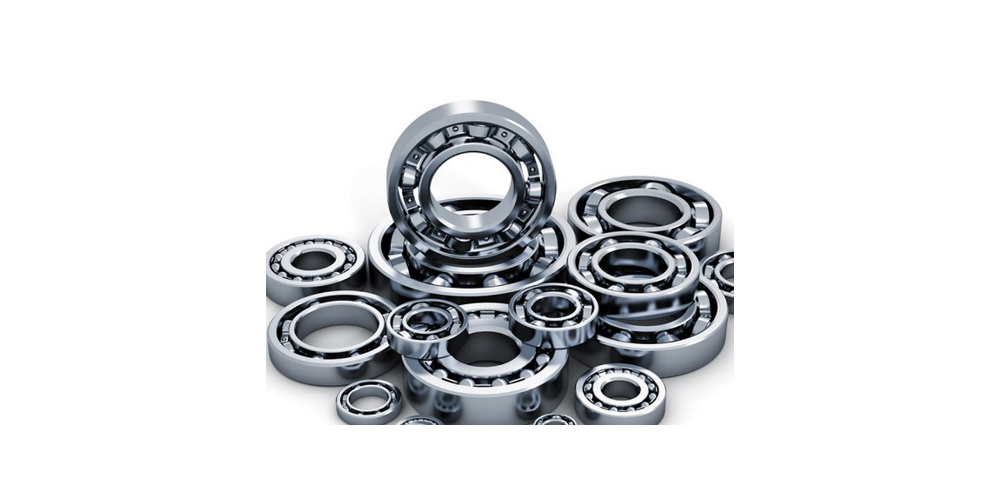
The Importance of Lubricating Robot Bearings

by Tyron August 31, 2020
written by Tyron

Robotics are essential for the manufacturing industries, being cost, time, and energy-efficient. Robot bearing is necessary for the motion control of the machines. Robotics need high-precision bearings for their accuracy, high performance, and streamline operations.

Lubrication is crucial for the maintenance of robot bearings to reduce the harsh effects of wear and tear. For engineers, lubricants are necessary to ensure the smooth running of mechanisms.

Lubricants are commonly be divided into two parts, oil or grease. Oil is usually chosen when thermal convection needs to be lessened, it has a free glow, and can rapidly prevent heat-induced oxidation, faster than the counterpart, grease. An important factor in choosing one’s oil is the viscosity. Viscosity refers to an oil’s resistance to flow, meaning how easily it flows.

Grease, on the other hand, is made up of base oil and a thickener. It is thicker than oil and also a common choice for lubricating robot bearing due to its viscosity. Apart from extending the lifespan of bearings, lubricants can reduce heat, noise, and vibrations in mechanisms. Here are some important reasons why robot bearings must be duly lubricated.

Lubricants Reduce Friction

Lubricants reduce friction in robotic bearings by swiftly reducing the heat generated when two surfaces meet. This substance generally improves a bearing’s performance by the smoothness the film gives the mechanism during operations. When two surfaces meet, the lubricant acts as a barrier, preventing a harsh collision of surfaces.

 Friction can noticeably lessen the efficiency of a machine, thereby causing a reduction in its mechanical advantage. The heat generated in friction can lead to overheating of bearings, causing a breakdown. Friction also has resistance to motion. When bearings cannot move, they cannot work, this slows down productivity. The mechanisms use up more energy to reduce friction, drastically affecting the input-output margin. Not to mention the aggravating friction-induced noise bearings make without lubrication.

Lubricants Prevent Corrosion

Corrosion is the gradual disintegration of refined metal. This can be caused by several factors, such as a reaction with a foreign substance in the environment. The substance can be dirt, particles, hydrogen or oxygen, and sometimes even bacteria, moisture also being a cause of Corrosion. Corrosion can come in several forms, such as:

  • Stress cracking:this occurs when the metal is put into a lot of pressure, which the object simply cracks.
  • Galvanic Corrosion:this Corrosion is caused by when two independent metals form a chemical reaction when they are in contact with each other through a conductive path.
  • General Corrosion: When a metal is exposed to water, it rusts. This is a very common type of Corrosion.

Lubricants are needed to prevent Corrosion. When bearings rust, it costs money to replace, leading to a reduction in profit margins. Lubricants are indispensable substances for the regular maintenance of machinery. Lubricants prevent bearing surfaces from being affected by direct contact with dirt, oxygen, or moisture, acting as a film between them.

Lubricants Extend Bearing’s Lifespan

Lubricants are generally used for regular maintenance of a machine’s lifespan. It improves a machine’s efficiency by maximizing its output during work. Heat reduction, being one of the primary functions of lubricant, helps the machine work without frequent repairs or break down. When machines produce heat and break down, it will slow down work processes, leading to time wastage. Lubricants are very vital for maintaining robot bearings.

Final Thoughts

Robot bearings need a motion for smooth running. It has been established that friction reduces motion, consequently leading to machine damage. Corrosion is also a common occurrence. Robot bearings are exposed to the environment, dirt, and moisture as major causes of rust. Negligent operators often ignore regular maintenance. Lubricant is a crucial and cost-efficient ancillary for robot bearing maintenance.
August 31, 2020 0 comment
0 FacebookTwitterPinterestEmail
industry

Differences between PTFE and Teflon

by Tyron August 11, 2020
written by Tyron

PTFE. Teflon.

You’re probably looking at these two words and wondering what they mean. Even if you have an idea of what they do, they are so closely related and perform the same tasks that it might be hard to choose between the two.

You probably have questions like:

Are they the same? Are they different? Why should I choose one over the other? What makes each of them unique? If I am going for PTFE, should I go for PTFE Graphite Packing, and why?

All these questions and many more will be answered as we explore PTFE and Teflon. Let’s start with the first?

What is PTFE?

PTFE is the well-known abbreviation of polytetrafluoroethylene. From the name, you can see that it consists of two elements. It can also be described as a synthetic polymer. The source of these elements is TFE which is known as Tetrafluoroethylene.

It is used widely for several chemical processes because of its unique properties. These properties include:

High melting point

PTFE is used widely because it can withstand very high temperatures. It has a very high melting point temperature (327°C). This means that it is very difficult to destroy.

The friction coefficient for PTFE is very low

For those who don’t know what friction co-efficient is all about, it’s simply a dimensionless quantity that shows the frictional relationship between two (solid) bodies. It is the ratio of the friction force between two solid bodies.

The friction coefficient for PTFE is one of the lowest that has ever existed for solids. It can’t stick to anything, and nothing can stick to it.

Inertness

PTFE is chemically inert. Very few and rare solvents can damage PTFE.

High ability to bend easily

It can flex and bend. This ability to bend certainly does not depend on any particular temperature. This enables it to be applied on different surfaces without losing its nature.

Hydrophobic

It is very resistant to water, so it can be used to dress wounds, cook, etc.

All these properties have helped PTFE to be used both commercially, industrially, and domestically. You’re probably using PTFE in your home- for stain resistance in fabrics and carpets, and to coat/cover non-stick cookware. You can also see it in hair styling equipment, nail polish, and wiper blades.

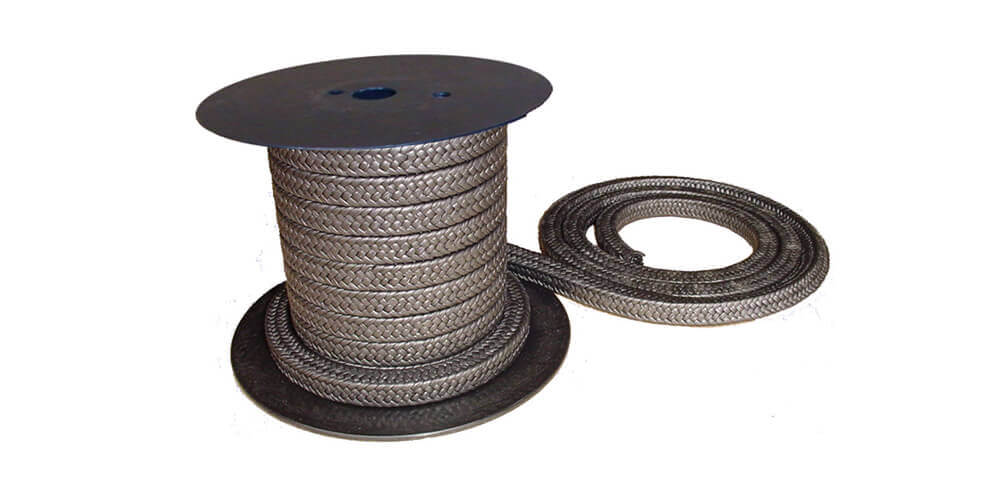
In industries, it’s used to coat the internal parts of pipes that carry hot materials or corrosive substances. You should also try out PTFE Graphic Packing for stronger resistance and added protection.

What is Teflon?

Well, let’s start at the beginning. It was established in 1938. Arranged by Chemours and finalized by the Du Pont Company, it was sure to light up the world.

By 1946, it was already being used in the trading of products.

Dr. Roy Plunkett has been attributed to the finding of Teflon.  In case you are wondering who he was, he was just another employee of Du Pont. During that period, he had a different aim- discovering a refrigerant.

However, things likely changed when he found a bottle filled with TFE gas. Now, the gas had escaped and yet, nothing significant had happened. It had not lost any of its properties.

He was curious and later discovered that the bottle’s interior part was lined with a peculiar material. This material was waxy and yet strong. This was the beginning of Teflon.

This material is a polymer that contains different element such as fluorine and carbon. In other words, Teflon and PTFE are one and the same.

So, which should you use?

It’s up to you.

August 11, 2020 0 comment
0 FacebookTwitterPinterestEmail
industry

Pros and Cons of the Electric Control Valve

by Tyron July 30, 2020
written by Tyron

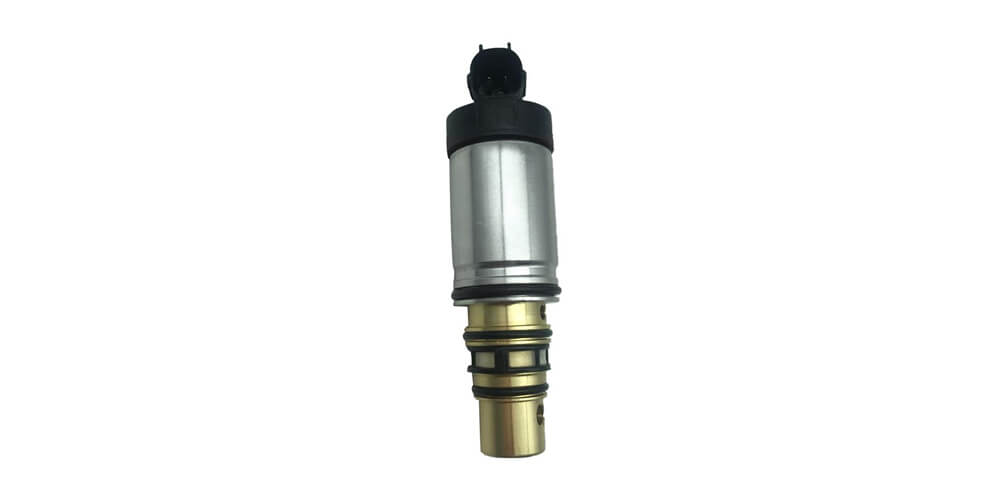
The electric control valve is one of the most important components of a pump that cannot be neglected. The control valve is very relevant because it helps to regulate and control the flow of liquid through the pump using an electric actuator.

The main thing about this pump is that there are both the good sides and the downsides to it. A lot of individuals do not know about this but we will do our best to break it down for you in various points. Let’s dive in.

Pros

· It has the flexibility of motion control

The main reason why a lot of industry practitioners why recommend the electric control valve is may because of the flexibility of motion control of the actuators. With the electric control valve, it is one of the fastest compared to the competition.

· It is very accurate

Since the actuators are powered by electricity, it comes in highly expected. In the electric control valve, the levels of accuracy and repeatability are very much higher.

· It is highly efficient

Among every member of its class, this electric control valve has an efficiency of over 60%. This kind of efficiency cannot be found in any other type of control valve. Because of the mid-to-high efficient range, several manufacturers trust using this control valve to ensure that they get the best results in their company.

· It is the quietest in its class

When compared to other types of control valves, it is the quietest. The kind of quietness you will experience when you use this machine is unbelievable.

Whenever you need a machine that does disturb you, then the electric control l valve is the right option for you.

· It has very good acceleration and deceleration control

One good thing about this machine is that it is very difficult to just start and stop the machine suddenly. It has a good control system to enable the valve glide into its desired potion with ease.

Cons.

· The Electric control valve is not suitable for all environments

Even with all these unique features in place, it is sad to know that the electric control valve is not a suitable condition. There are machines that the use of the valves will not be able to work hand-in-hand with the power rating, speed, and load of the machine. This could be a major drawback for you.

· It becomes difficult to maintain in the long run

This is what a lot of manufacturers talk about. As your manufacturing processes increases, there will always be a need for more maintenance and this maintenance cost keeps going up with time.

Conclusion

So, there you have it. We have shown you the pros and cons of having the electric control valve in any of your industrial or manufacturing processes. One thing you need to know is that the electric control valve is the best for your processes. However, it only applies to certain functions. If your processes are fit to work with the electric valve, then go ahead with it.

July 30, 2020 0 comment
0 FacebookTwitterPinterestEmail
industry

Why the Lamello CNC router is your dream router

by Tyron July 27, 2020
written by Tyron

If you do not know about Lamello CNC router, then this is the right time for you to know a lot about them and what they do.

When it comes to biscuit joiners, there is no other company that does it better than this company. Over the years, the Lamello Company has continued to provide innovative technologies that have enabled innovativeness in the entire woodworking process.

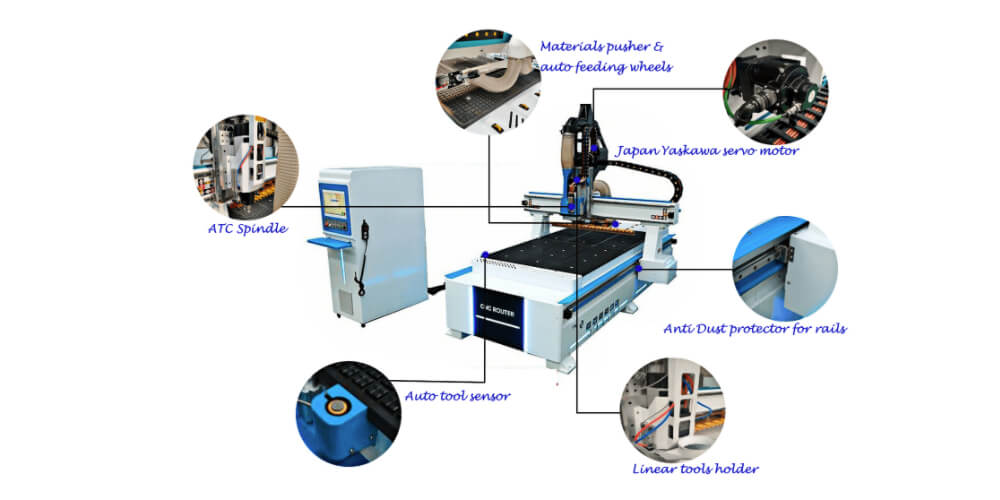
When it comes to woodworking, the Lamello CNC router woodworking machine is the best and it provides a lot of features that make the process of woodworking easier. Apart from woodworking, it can also be applied to the processing of artificial marble, bamboos, PVC Boards, etc.

Features of the Lamello CNC Router Woodworking machine

It has a bigger and more uniform suction

In the Lamello CNC Router Woodworking machine, the suction is seen to be bigger than the other suction in another machine. This feature gives the machine the right processing power to work in the way it supposed to.

It has the most functional machine body

The body of the machine has so many functionalities that make it very useful for the manufacturing process. It features a heat treatment system which is made with high temperature, it has a machining system which helps the machine work better and faster.

It has high precision.

If you are looking for a machine that gives you the best results with high precision, then the Lamello CNC Router woodworking machine is the right fit for you. You may be wondering why. Because of its CNC features, the entire manufacturing process would be made easier and more seamless for you.

It has a 3 phase voltage system

The three-phase voltage system makes the entire operation seamless and easy. It enough to carry the stipulated operation.

The 3 phase voltage system helps the machine to deal with any situation it may be facing when it comes to power consumption. I’m this kind of machine, you will always need a lot of power to be able to fully control this machine and the 3-phase voltage helps you easily.

Automatic lubricating system and sensor

The cool part of this machine is that it has an automatic indicating system and sensor to get the job done for you. With the lubrication system, all you need to do is simple. Once you have set up the system, the entire lubrication will work perfectly for you.

Conclusion.

Lamello CNC Router is one of the best products in the market and when it comes to woodworking, the Lamello CNC Router stands out. Woodworking is a good manufacturing process but most manufacturers do not always have access to the best materials.

Lamello CNC Router is here to stay because it gives you the right working processes to help you and give you the right results to work with ease. Lamello CNC Router is the best.

July 27, 2020 0 comment
0 FacebookTwitterPinterestEmail
industry

The Basic Construction and Sizing of a Contactor

by Tyron July 20, 2020
written by Tyron

So, you are determined to acquire or buy a contactor switch, impressive move! There are basic criteria used to find a top-notch switch for different applications. It is the objective of experienced professionals to ensure that the process is pretty simple. Looking into the history of contactor switches, it might be of some help to garner general comprehension of what their function is in different industrial applications.

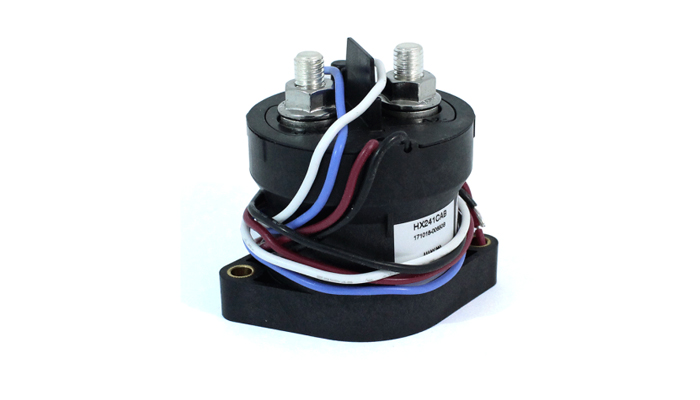
As you have garnered from different blog posts in this series, a DC contactor is controlled by a switch. This device comes in various capacities. It also has different features.

And unlike in a circuit breaker, the device is not intended to interfere with the short circuit current. Contactors come in several amperes to several kilovolts.

Therefore, the size of a contactor actually ranges from a small device to a large one depending on its actual applications.

Contactors are generally used in controlling electric motors, thermal evaporators, as well as other additional electrical loads.

Understanding Basic Construction and Size

Before you delve into the process of selecting the contactor for your project, you should comprehend its basic anatomy. Here are the fundamentals of the device.

A contactor comes in three main components:

The contact is responsible for carrying the fundamental part of the entire contactor. This covers power contacts, contact springs, in addition to the auxiliary contacts.

Then, there is the electromagnet, which offers a major driving force to the contacts.

And finally, the contactor has a frame that houses it. It is known as an enclosure and is made of various insulating materials such as a thermoplastic.  

The enclosure is also known for its properties of insulating the contacts while protecting the user from touching the contacts.

A basic DC or AC contactor comes with a coil input. The coil can easily be energized with a voltage.

Choosing the Right Contactor Size

Check the coil ratings

· The coil ratings of a contactor will determine its size in many ways. So you need to take a look at the following elements when making your selection:

· The pick-up voltage which refers to the switch that should be in the operating position

· The motor’s pick-up voltage is highly considered in the selection process

· The rated coil voltage-  must be equal to the volt of the circuit that powers the coils when selecting a contractor

· Consider the operating current of the contactor since it is rated in volts and should determine the size of contactor you are investing in a contactor

Check the electrical properties of the device

The impressive electrical characteristics of a motor need to be analyzed and studied in detail for you to be able to select the right contactor for a motor.

Some of the common properties are also highly regarded and mentioned when it comes to choosing the right motor.

Attention is given to the parameters of power within the motor, which can be the hose power and motor voltage.

To be precise and accurate in selecting the right contactor size, you should have a data sheet. This should help you to determine the properties of the motor.

Final Thoughts

Deciding the power supply for your contactor is an excellent determinant in choosing the right size. This is also a great move towards selecting the right device for your electrical projects.  If you would rather have the control unit using the PLC, you can use the 24 VDC.

July 20, 2020 0 comment
0 FacebookTwitterPinterestEmail
Buzzer
industry

Why Buzzers are so important

by Tyron July 6, 2020
written by Tyron

Introduction

Buzzers are used for various purposes and are available in different types. Generally, a buzzer is a signaling device that makes use of sound waves. A buzzer could be mechanical, electromechanical, or piezoelectrical (piezo for short).  Some simple applications of buzzers are as seen in alarms, timers, and lots more. As mentioned earlier, there are numerous types of buzzers as applied to a variety of fields.

Types of Buzzers

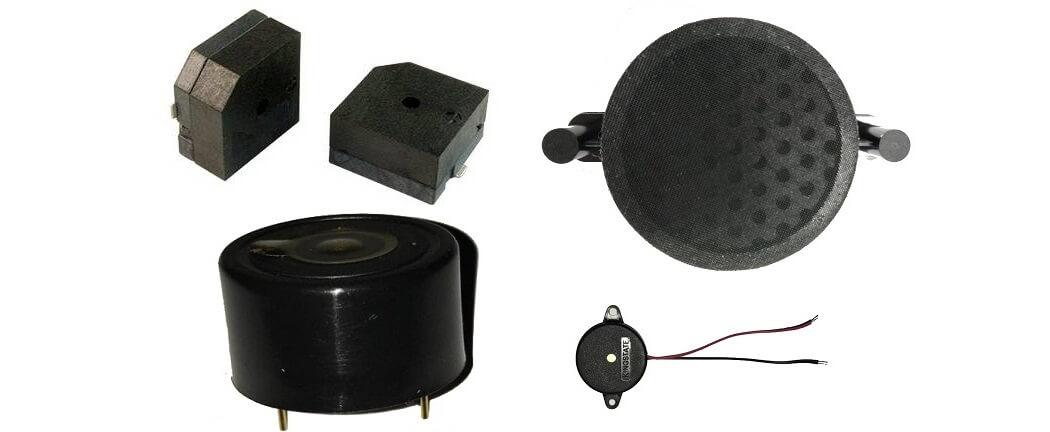
There are several types of buzzers available such as the Electro-Acoustic buzzer, electromagnetic buzzer, and electromechanical buzzer, Magnetic and Piezo, among others. Buzzers concert electrical energy and signals to sound vibrations just like the micro SMD buzzer.

The key factors to put into consideration when deciding on a buzzer to use for a project are the size of your project. Relatively smaller projects or devices may require smaller sized buzzers and same goes for larger sized projects and buzzers such. Other factors include terminal type, current, sound output, and many others.

If you intend to involve in a project and will require the use of buzzers, this article is for you. A speaker should never be confused for a buzzer. They may look like they serve similar purposes, but they are very distinct.

While speakers produce sound when an alternating current or direct current is applied, buzzers make use of direct current voltage, audio indicators, and internal drive circuit as you will find in the micro SMD buzzer.

Although buzzers and speakers are both transducers that convert electrical energy into sound, both of them should not be confused to be the same thing. So how do you decide whether a speaker or buzzer is best for your project that requires a sound alert for user input?

Here are some advantages to using a buzzer:

The volume of a buzzer can be made quite small, that is, the length and width can be as minute as 4mm. Also, current consumption by a buzzer is really small with as little as 2mA consumed when functioning at 3V. In addition, a buzzer has a wide range of voltage use ranging from 2-20V.

Unlike a buzzer that is a self-oscillating device and can only produce one type of sound, a speaker consists of a moving coil connected to a diaphragm, and a magnet is inserted into the coil. The micro SMD buzzer is mostly used in toys.

Comfortably suited for portable devices, the micro Smd buzzer features low profile starting at 1.9mm the micro SMD buzzer is ideal for a range of portable hand devices. A sensor buzzer like a magnetic speaker requires different frequency so it can make sound according to the frequency provided.

Just like every other product, it is necessary to run a test on a buzzer be it micro SMD buzzers or any other type. This enables one to know if its features are suitable enough or not. Carry out a buzzer test is done simply by controlling the buzzer and checking its features mainly by listening to the sounds.

July 6, 2020 0 comment
0 FacebookTwitterPinterestEmail
industry

How to select the best molecular weight calculator

by Tyron June 24, 2020
written by Tyron

Anyone buying a product has a lot of decisions to make. What product do I buy? How much should I spend and so much more?

This is exactly the same issues you face when getting a molecular weight calculator. There are so many things you have to put into perspective and this can be confusing sometimes.

This is where I come in. in this article, I’m going to show you the factors to consider when selecting a molecular weight calculator.

Bearing these factors in mind would ensure that you make the right decisions.

Proven Track Record

When trying to get a molecular weight calculator, the first thing to consider will be the proven track record.

This is important for several reasons. You have to know if they have the requisite knowledge to make a molecular weight calculator.

Since you might also be spending some cash on your calculator, it also helps you to make the right decision financially.

Let’s look at pricing closely.

The Price of the molecular weight calculator

The price of the molecular weight calculator also plays a crucial role. Depending on the manufacturer, you might be able to get some free trial.

However, most times, you might have to pay for using the most advanced features. Comparing prices is important especially if you are on a budget.

So here’s a tip on getting things done- make sure you go shopping. Look at the prices that other shops have to offer before committing yourself to a deal.

Also, remember that a low price does not automatically mean a good deal. Sometimes, the price is really low because the quality is also low.

So make sure you consider things really carefully before making a decision.

The Accuracy

Like I said earlier, most manufacturers would give you a chance to actually take a look at the calculator before you make a purchase.

This is not the time to actually marvel at how stylish the calculator is. This is time to make some crucial observations.

One of them would be just how accurate it is. Try to make sure that your calculations are always precise. This ensures that you do not buy a useless product.

Here’s how you can achieve this- type in some calculations that you already know to test the calculator. Having this information is important.

So what next?

Once you can ascertain just how accurate this is, it’s time for you to make a purchase. Make sure you get the right molecular weight calculator that meets your need and the needs of your business.

By doing so, you’ll save yourself a lot of heartaches.

Final Thoughts

So there you have it on molecular weight calculators. I honestly believe that these factors will help you to make the right choice when the chips are done.

So why not take the first step today and get the calculator of your dreams?

June 24, 2020 0 comment
0 FacebookTwitterPinterestEmail
Shot Blasting Machine
industry

Top Benefits of Using Abrasive Blasting Prior for Surface Coating

by Tyron June 22, 2020
written by Tyron

Shot blasting is the single most important step in surface coating preparation. The process uses various materials to remove rust, clean paint, strip imperfections, and all sorts of contaminants from a surface. 

Shot blasting is used instead of more demanding cleaning methods such as sanding or wire brushing. Comparatively, the process of shot blasting is up to 75% faster than wire brushing or sanding.

To have a better understanding of the top benefits of abrasive blasting we need to learn a thing or two about the abrasive blasting methods and the media used for abrasive blasting. 

Abrasive Blasting Methods

There are eight abrasive blasting methods:

  1. Wet abrasive blasting
  2. Wheel abrasive blasting
  3. Hydro abrasive blasting
  4. Bead abrasive blasting
  5. Dry ice abrasive blasting
  6. Micro abrasive blasting
  7. Bristle abrasive blasting
  8. Automated abrasive blasting

Media for Abrasive Blasting

  • Glass beads

The glass can be easily reused, plus it is silica-free and lead-free. Glass beads can clean various types of metals while not making any dimensional changes.

  • Acrylic

This is a gentle abrasive that is primarily used to clean very sensitive surfaces.

  • White aluminum oxide

This is a very durable and reusable abrasive that is mainly used to prepare surfaces for paint jobs. 

  • Crushed glass grit

It is made from recycled glass bottles and is commonly used for removing coatings from vinyl, epoxy, polyurea, and coal tar. 

  • Aluminum oxide grit

Common blasting media used for all coating preparation, surface cleaning, polishing and grinding.

  • Corncob grit

It is an organic, biodegradable, and reusable media that is used to remove and clean various contaminates. As the names suggest, it is made from corncobs. 

  • Steel grit

It is mainly used when there is a need for aggressive cleaning. It is most commonly used for the preparation of foundry or steel surfaces. 

  • Silicon Carbide grit

It is by far the strongest blasting media which is used for engraving glass and etching stones. 

  • Pumice

It is an abrasive media made of volcanic rocks. Primarily, it is used for surfaces that need a less aggressive approach. 

  • Walnut shells

Walnut shells can clean surfaces without the need for etching, scratching, or marring.

Top Benefits of Abrasive Blasting for Surface Preparation

There are several reasons why abrasive blasting is so popular for surface preparations. Here are some of the most important ones:

  1. From the start, it’s much more affordable to use abrasive shot blasting than any other method.
  2. As we’ve explained, many types of abrasive shot blasting media are reusable.
  3. It’s environment-friendly. Aside from the fact that some types use 100% recycle media, it doesn’t use any chemicals and almost all shot blasting equipment uses powerful vacuum cleaners to collect its dust. 
  4. Abrasive blasting is way faster and more effective than traditional methods like sanding or wire brushing. 

In Conclusion

No matter how you look at it, abrasive blasting is the superior method for metal surface preparation. As we all know, that’s crucial in creating a long-lasting coating. The only real factor for quality coating preparation is to handle the shot blasting equipment properly. If that’s handled by expert operators, there is no room for any concern, and the output will be of top quality.

June 22, 2020 0 comment
0 FacebookTwitterPinterestEmail
Prototyping Services
industry

The Machinability of Aluminum via CNC Aluminum Machining

by Tyron June 5, 2020
written by Tyron

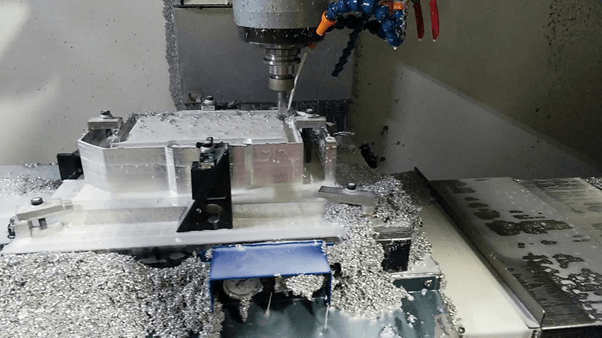
In the world of prototyping and design, the machinability of your material is a crucial element to consider. It is often defined as the ease the material can be machined. So how machinable a metal highly depends on the properties and the cutting conditions. That said, aluminum is often more machinable than some metals because it easily chips. In this article, we look at the benefits of applying CNC aluminum machining to different sectors. We also defined machined aluminum.

It is also easy to shape. This implies that it chips easily and is freer to machining. At the same time, the cutting tool will spend some significant time in cutting that work-piece, rather than the chips created. Speed comes in when it is time to ease the shaping process of the material.

Typically, aluminum is capable of machining up to 4 times faster than steel since it is used in multiple different applications including camera and radio parts.

How to avoid deformation

Aluminum is definitely a crucial industrial raw material. But following the fact that it is relatively low in hardness, it can deform into a thin-walled element in the process of machining.

Besides improving the actual tool performance as well as eliminating the stresses of your material, there are a few steps you can take in order to reduce the entire deformation of that material.

  • Symmetrical machining

 If you have aluminum parts with a broad processing allowance, it becomes necessary to evade an excessive heat concentration to create better and viable heat dissipation while reducing the whole thermal deformation. Typically, this method can be taken into consideration when it comes to avoiding deformation.

  • Choose the right cutting perimeter 

You should be able to choose the right cutting perimeter at all times. This implies that the cutting force can easily be reduced by selecting the proper cutting parameters.

 In that process, if the cutting parameters happen to be bigger than normal, you will realize that there is excessive cutting force projected, which should easily contribute to the deformation of several other parts, while affecting the entire rigidity of your spindle as well as the durability of your tools.

Importance of CNC Aluminum Machining

Aluminum machining comes with an impressive form of accuracy since the machine ensures that there is consistency in product quality. Typically, the whole process is rather more precise as compared to the manual machining. It can also be repeated over and over.

Aluminum machining is also known for its safety during operations. Being a user, you need to understand that the machines are rather safer than the manually operated ones since they work right behind a transparent safety guard.

Aluminum machining is known to be cost effective. Conventional machining demands that one operator runs the machine at a time. Aluminum CNC machining demands that fewer machine operators operate it because one skilled operator can run multiple machines at once.

Because the CNC is pretty much accurate, it reduces the existing errors from that manufacturing process.

Final Thoughts

For many project managers in the CNC market, aluminum happens to be a popular material choice. This is because it has desirable properties. Not only is it strong but resistant to any form of corrosion.

June 5, 2020 0 comment
0 FacebookTwitterPinterestEmail
3D printer
industry

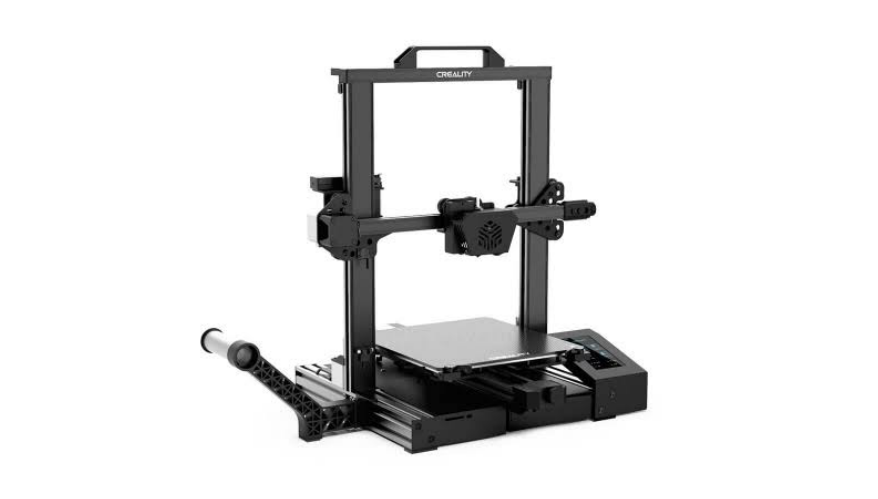
Pros and cons of a fused deposition modeling (FDM) 3D printer

by Tyron May 21, 2020
written by Tyron

There are about 7 different types of 3-dimensional printers chief among them is the popular FDM printer. Here, in this article, we want to take a look at what makes this printer at the advantages and disadvantages of using this printer for your 3D needs.

Advantages of the FDM printer.

  • Easy to scale

 The unique design of the FDM printer allows it to make gantry rails longer and therefore expand the size of the build area. This mechanism gives the designer the opportunity to easily scale any print as he wishes. The cost to size ratio is an added advantage for the user of the FDM printer.

  •  Accepts a wide range of filament

The filament can be likened to the normal inkjet used by the 2D printer. Unlike other 3D printers, the FDM printer is compatible with a wide range of filament materials and colors. The PLA, ABS, and PTEG filaments are being utilized by this particular printer.  Another added advantage is that these standard filaments are easy to purchase and they are friendly on the pocket.   

  • Affordable

Compared to other 3D printers, the FDM model is quite affordable and it works just fine. It is generally accepted as the easiest way to achieve 3D printing. As a matter of fact, more expensive 3D printers find it very hard to compete with the FDM printer on the market. On average, an FDM printer cost between 250 dollars – 10,000 dollars depending on the manufacturer and the features.

  • Easy removal after printing

After you have finished the printing, your object can be easily removed from the printer and if the object is stuck, a simple palette knife will do the trick

Disadvantages of the FDM printer

  • Need for post-processing

When printing with the FDM printer, the filament is extruded layer after layer and has a predefined thickness determined by the nozzle. This particular process makes detail-oriented prints difficult to achieve. When engaged in this type of job, you would need a lot of after processing to bring it to its desired state. This is a problem that other 3D printers don’t have.

  • Warping

This occurs when extruded materials start to cool during solidification and different parts of the object to decrease thereby making it lose form. The printed material becomes warped at best and disfigured at worst. This is a common problem with FDM 3D printers.

  • Inefficient with mass production

The FDM printer might be the best option for personal use but when it comes to mass production, you are advised against using it. Apart from the fact that it will take a lot of time and use a lot of power supply, you would still need to go through the post-processing phase which might be impossible depending on the volume of your prints and your manpower. When it comes to mass production, the SLA 3D printer will serve you better.

For knowledge sake, other types of 3D printers include; Stereolithography (SLA) printer, Digital Light Processing (DLP) printer, Selective Laser Sintering (SLS) printer, Selective laser melting (SLM) printer, Laminated object manufacturing (LOM) printer, Digital Beam Melting (EBM) printer among others.

If you are looking to get an FDM 3D printer, you should trust Creality 3D printers. They are without a doubt, one of the best on the market.

May 21, 2020 0 comment
0 FacebookTwitterPinterestEmail
Newer Posts
Older Posts

Recent Posts

  • How to Save Time and Stay Organized with the Best Label Maker
  • How to Identify Worn or Damaged Stump Grinder Pockets?
  • Exploring the Functionality of the 2023 Tundra Mud Flaps
  • Achieving Optimal Efficiency in Wood Chipping: A Deep Dive into Blade Selection and Maintenance
  • Why Choosing a Reliable Strapping Supplier is Key?

Recent Comments

    Copyright 2021. All Rights Reserved.


    Back To Top
    tfmindustrial.com
    • Home
    • Industry
    • about
    • Contact